Here’s a summary and analysis of the provided Arabic text:
Summary of the Text:
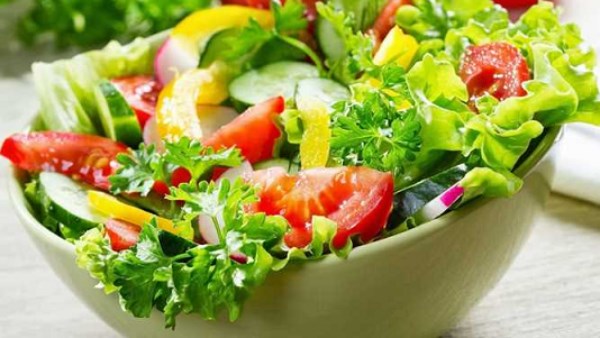
The article discusses the recent significant surge in tomato prices in Egyptian markets, which reached up to 60 EGP per kilogram in some areas. This increase has directly impacted the cost of basic food items, notably the everyday salad.
Journalist Ahmed Moussa described the tomato prices as “mad,” citing personal experiences of paying 50-60 EGP for a kilo and claiming that a salad now costs 100 EGP, making tomatoes more expensive than chicken.
The article then breaks down the cost of a typical salad based on market prices for its core ingredients (at their peak):
- Tomato: 60 EGP/kg
- White Onion: 15 EGP/kg
- Hot Pepper: 30 EGP/kg
- Local Cucumber: 30 EGP/kg
- Carrot: 30 EGP/kg
- Lettuce: 30 EGP/kg
- Lemon: 5 EGP/kg
By calculating the cost for a medium salad containing approximately 100 grams of each ingredient, the article estimates the total cost to be around 24.5 EGP, excluding oil, vinegar, or other additions. This figure directly contrasts Ahmed Moussa’s 100 EGP claim.
Crucially, the article concludes by reporting a recent relative decline in tomato prices after the sharp increases. Prices, which had soared to 60-70 EGP/kg, have now dropped to between 30 and 40 EGP/kg in wholesale markets, and were around 45-50 EGP/kg in popular retail areas before this further decline. This reduction is attributed to a limited improvement in supply and increased quantities entering the markets, which helped to somewhat stabilize prices after a rapid ascent.
Analysis of the Text:
1. Content and Focus:
The article primarily focuses on food inflation, specifically using tomato prices as a stark example. It effectively illustrates the tangible impact of rising prices on everyday household expenses through the cost of a basic salad. It combines anecdotal evidence (Ahmed Moussa’s comments) with concrete data (ingredient prices, calculated salad cost) to present a comprehensive picture. The inclusion of the recent price decline provides an updated, dynamic view of the market, suggesting that the situation is not static but subject to supply and demand fluctuations.
2. Tone:
The tone is initially one of concern and alarm, reflected in words like “ارتفاعها” (its rise), “مجنونة” (mad), and “قلق” (concern among consumers). However, it shifts to a more analytical and factual tone when breaking down the costs and then finally adopts a slightly more optimistic or reassuring tone when reporting the recent price drop and the reasons behind it (improved supply).
3. Discrepancy between Media Claim and Article Calculation:
A significant point of analysis is the stark difference between Ahmed Moussa’s assertion that a salad costs 100 EGP and the article’s detailed calculation of 24.5 EGP.
- Ahmed Moussa’s Claim: Likely an exaggeration for dramatic effect, or perhaps his estimation includes a much larger quantity of ingredients (for a large family), or considers additional expensive components not listed, or simply reflects the psychological impact of perceived high costs. It serves to highlight public outrage and the feeling of being priced out.
- Article’s Calculation: Appears to be a more realistic, data-driven estimate for a single or small-portion salad based on 100g of each component. This discrepancy highlights the tension between media sensationalism (even from within the same media context, as Moussa is a TV personality) and objective, itemized analysis.
4. Economic Implications:
- Inflation: The article directly reflects high inflationary pressures in Egypt, particularly concerning food staples.
- Cost of Living Crisis: It underscores how essential items, even simple vegetables, are becoming increasingly unaffordable for average households, impacting their purchasing power and quality of life.
- Food Security: Rising prices for basic ingredients can affect dietary diversity and access to nutritious foods for lower-income families.
- Supply Chain Issues: The mention of “تحسن محدود في الإمدادات” (limited improvement in supplies) and “زيادة المعروض” (increased supply) as reasons for the price drop points to underlying supply chain vulnerabilities or seasonal factors affecting agricultural output.
5. Media Role:
The article, by citing a prominent media personality, shows how local media plays a role in amplifying public concerns about economic issues and can sometimes use hyperbole to emphasize the severity of the situation. Simultaneously, the article itself attempts to provide a more measured and analytical perspective through its calculations.
In conclusion, the text offers a snapshot of recent food inflation in Egypt through the lens of tomato prices and the humble salad. It effectively conveys public concern, provides data-driven cost analysis, and updates readers on the dynamic nature of market prices, hinting at the complex interplay of supply, demand, and public sentiment.